The following notes come from the course Corporate Sustainability, held by Volker Hoffmann at ETH Zurich.
Warning: up to , the following page is 100% content-wise AI-free, so excuse me for human mistakes & typos. Enjoy!
Index
- Introduction to Corporate Sustainability
- Global Sustainability Frameworks
- Regulatory framework and input on radical innovation
- Three Phases of Corporate Sustainability
- Industry perspective
- Sustainability assessments & LCA
- Circular Economy
- Design for sustainability
- Sustainable supply chain
- Sustainable business model
- Organizational change for sustainability
- Tension in sustainability decisions
- Positive contributions
- Technological learning & Innovation Policy
- Appendix
1. Introduction to Corporate Sustainability
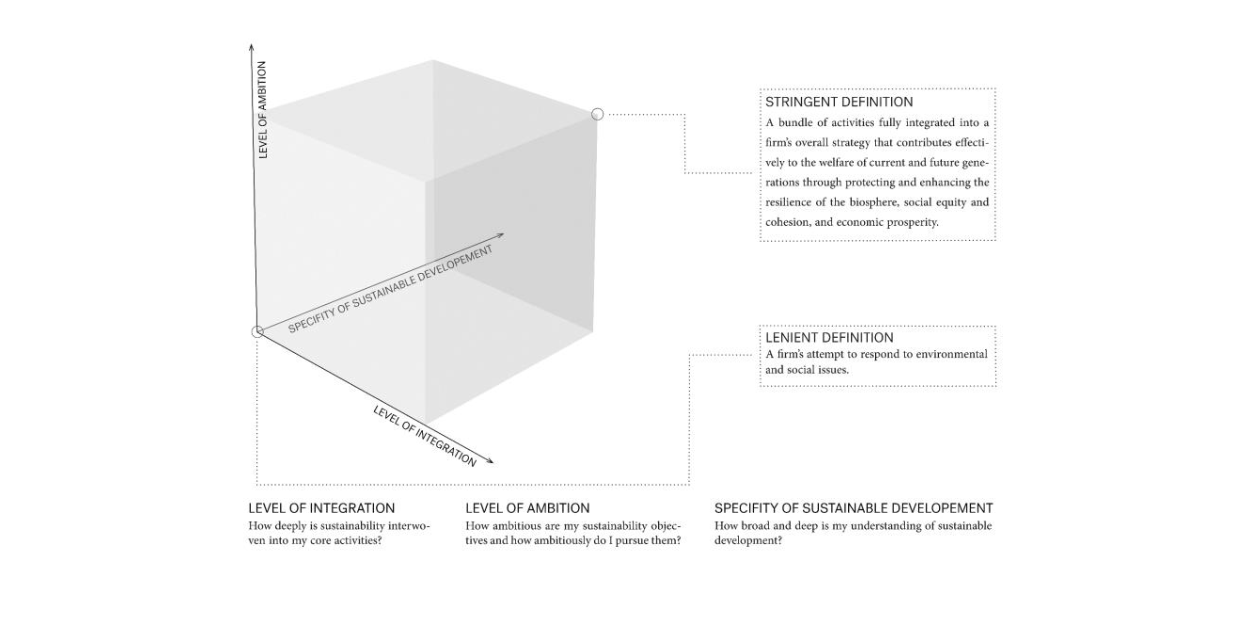
Corporate sustainability is a management paradigm under which companies engage in activities that are consistent with sustainable development.
The notion of sustainable development contains four different elements:
- the economic view
- the enviromental view
- the social view
- the notion of intergenerational equity
Then corporate sustainability is evaluated at two different levels:
- Level of Ambition (ambitions, efforts)
- Level of Integration
Combining the notion of sustainable development with this two levels, we obtain a 3-dimention cube that gives a comprehensive perspective.
Note that:
- there isn't only one correct understanding of corporate sustainability
- the cube allows to systematically analyze and compare different understandings.
Sustainability Transitions
Sustainability transitions are long term, large-scale and sector-wide transformations (examples: discovery of coal, invention of the steam engine, transition to electric mobility etc...)
- Policy makers might want to guide and regulate transitions in a sustainable direction
- Firms migh want to adapt and profit from the opportunities.
The Multi-level perspective (MLP) explains the transformation at three different levels, identifying agents involved and both causes of stability and change.
According to MLP, the stability of the system is challenged by changes at level 1 and 2 and the transition occurs in 3 different stages:
- Pre-development: the stable regime dominates (solid lines in the graph), many niches and innovation are growing but they are still unable to break equilibrium, weak interactions between the levels.
- Acceleration: landscape developments disrupt regime, at least one niche is matured enough to compete in the market, regimes break down and so there's an opportunity for innovation to replace old technologies.
- New stable regime: Innovation is completed, new regime requiring new challenges and the full integration of the new technologies.
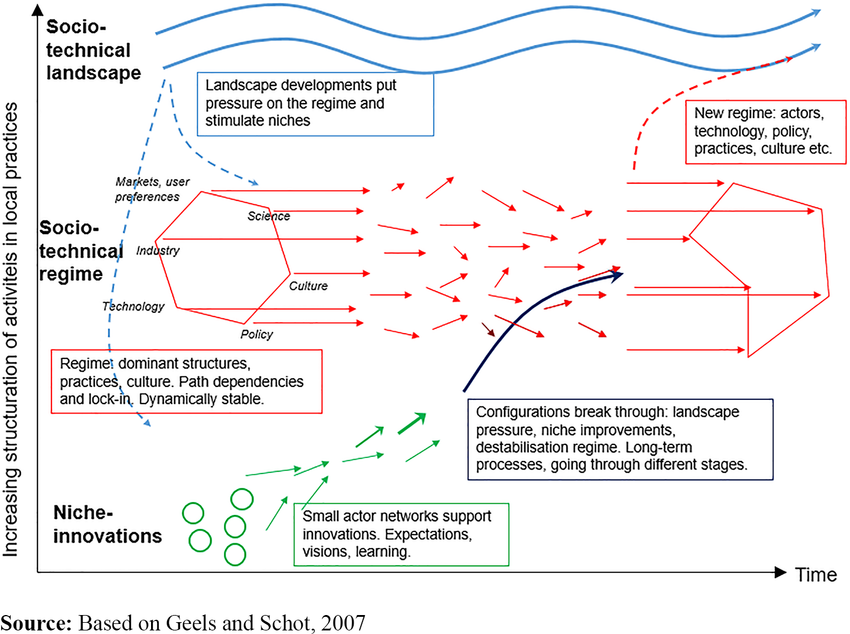
Since large-scale transitions are very long and complex events, in which different agents have different utilities and action plans, the reality often deviates from the MLP heuristic model.
Often we indeed see the followings (not considered in the MLP):
- Resistance from established firms and other stakeholders can slow down or stop the transition.
- Various transitions happening at the same time (example: currently the car industry is moving toward EVs, SUVs and shared mobility at the same time).
Due to the complexity of such transitions, none of the levels or agents acting can develop or be analyze autonomously: they are all connected, thus they have to be analyze in a systematic way (interdependency).
Firms have a crucial role in transitions:
- from a firm perspective, any transition can be seen as a battle between an incumbent player and a newcomer (Ford vs Tesla).
- Incumbent firms may also drive innovation (pilot-projects).
- There could be transition within a firm: old and new ways could fight inside a company (between two units, two managerial systems, two business models etc...).
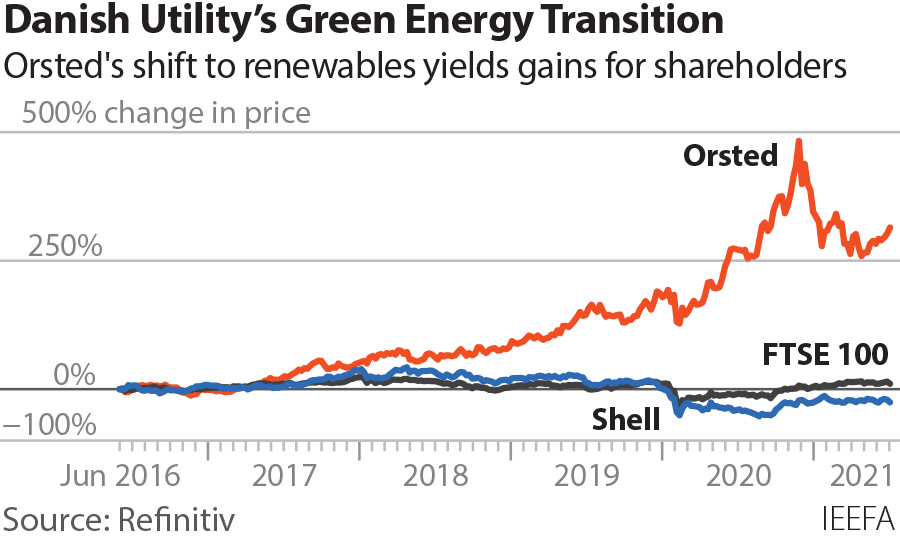
Example: Ørsted’s Shift from Coal to Offshore Wind
- Back in 2008, the Danish firm (known as DONG energy) was one the most coal-intensive energy company in Europe.
- The EU's climate targets and the 2015 Paris Agreement created external pressure
- Ørsted invested early in offshore technology when it was still a "niche" and quite expensive.
- By 2023, the company reduced their carbon emissions by over 90% and trasformed a fossis-fuel regime into the largest developer of offshore wind, bringing value to the enviroment and the shareholders.
1. Global Sustainability framework
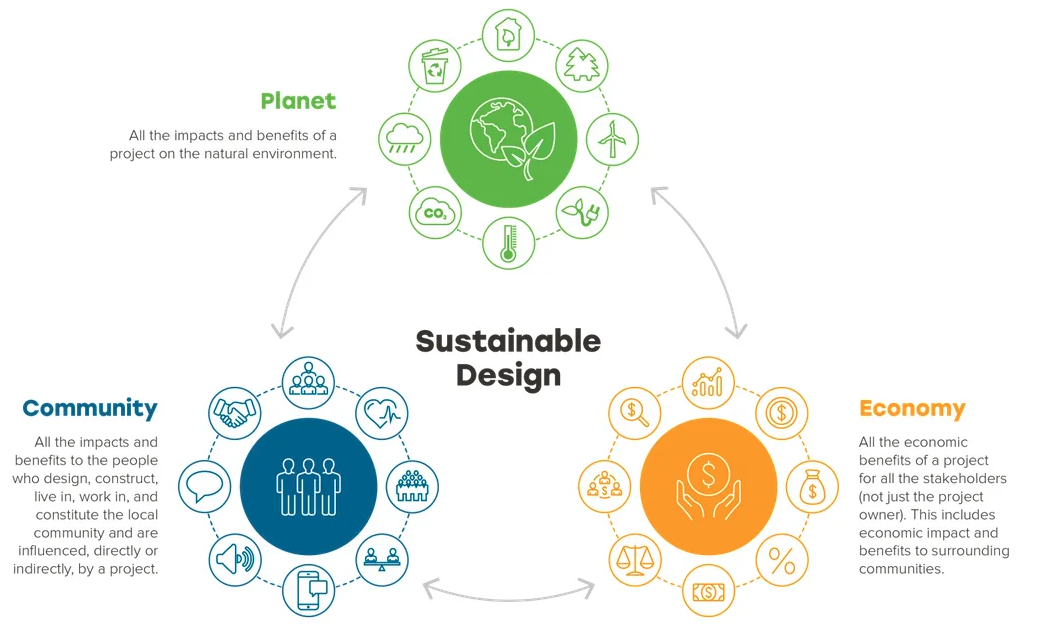
The Triple Bottom Line FrameworkDeveloped by John Elkington in 1994, Bottom Line stands for the bottom line of a firm's accounting statement (showing profit or loss).
This model tries indeed to extend the bottom line of a financial statement to inlcude also the social and enviromental value created by the firm, however:
- there three aspects are threaded as indipendent each other and fails to regognize the systemic impact and the complexity of sustainability
- the model didn't have an impact on the monocapitalistic paradigm at the time
Planetary Boundaries Framework
It is a scientific framework based on earth sceice developed by a research lab conducted by John Rockstrom (that was also the director of the famous Netlix Documentary Breaking Boundaries .
This framework identifies 9 enviromental processes that detemine the stability of the earty system.
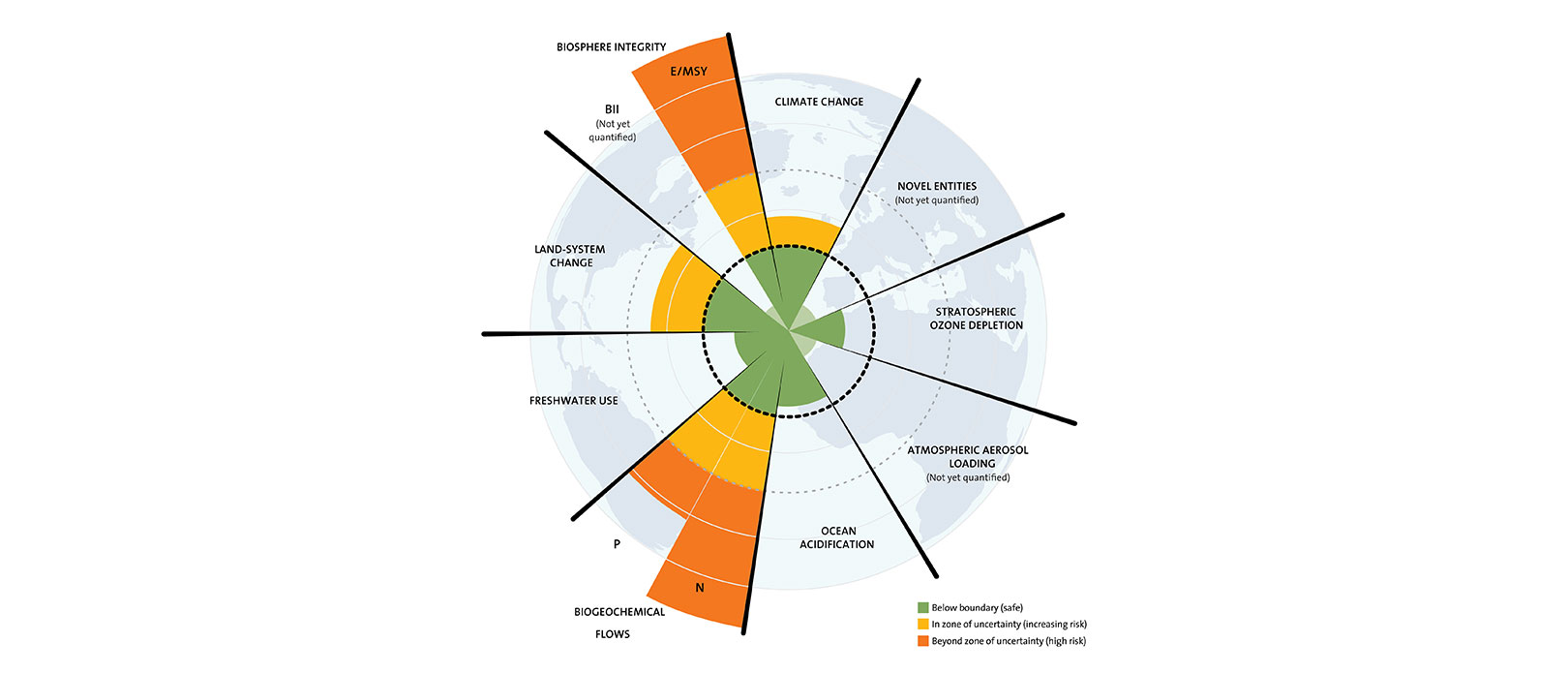
- it quantitavely identifies boundaries that compromise the the safe operating space for humanity
- it had influence on politics, science and business decisions
- it was used to discuss the Sustainable Development Goals (discussed below).
The main advantage of this model is that, given its simplicity, was useful to communicate complext problems to a broad audience. However, this model only focuses on the enviromental problems: it doesn't analyze economical and social aspects.
To adress this limitation, the following model was developed.
Doughnut Economics
Build upon the previous one by Kate Raworth in 2012, the Doughnut Economics Model incorporates social elements of sustainability and economical challenges.
The main idea behind this model is that all economic activities should lie between the ecological/sustainable limits and the fundamenta societal needs.
The city of Amsterdam became the first one in 2020 to formally adopt this model as a central tool for its public policy, leading to a new circular economy strategy aiming to halve use of primary raw materials by 2030.
More info can be found here [Arch Daily Article].
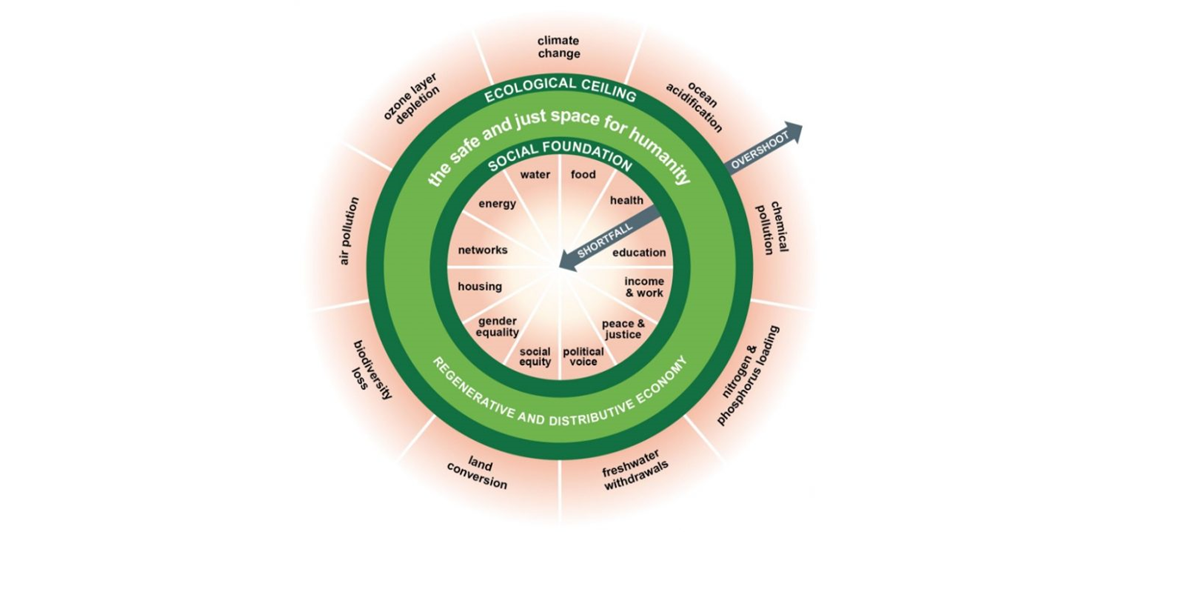
However, even if this model includes ecological and social elements in a friendly visual framework, it is very high level and it doesn't provide any specific reccomendation to policy and decision makers.
It was then used to build the UN Sustainability Development Goals.
UN Sustainability Development Goals (SDGs)
The model includes 17 interconnected economic, social and enviromental goals (with sub targets and categories) to achieve by 2030.
Detailed information can be found on the UN website .
Goals are directed to all the stakeholders (business, citizens, politicians) and they are relevant for every country, establishing a common ground for everyone.
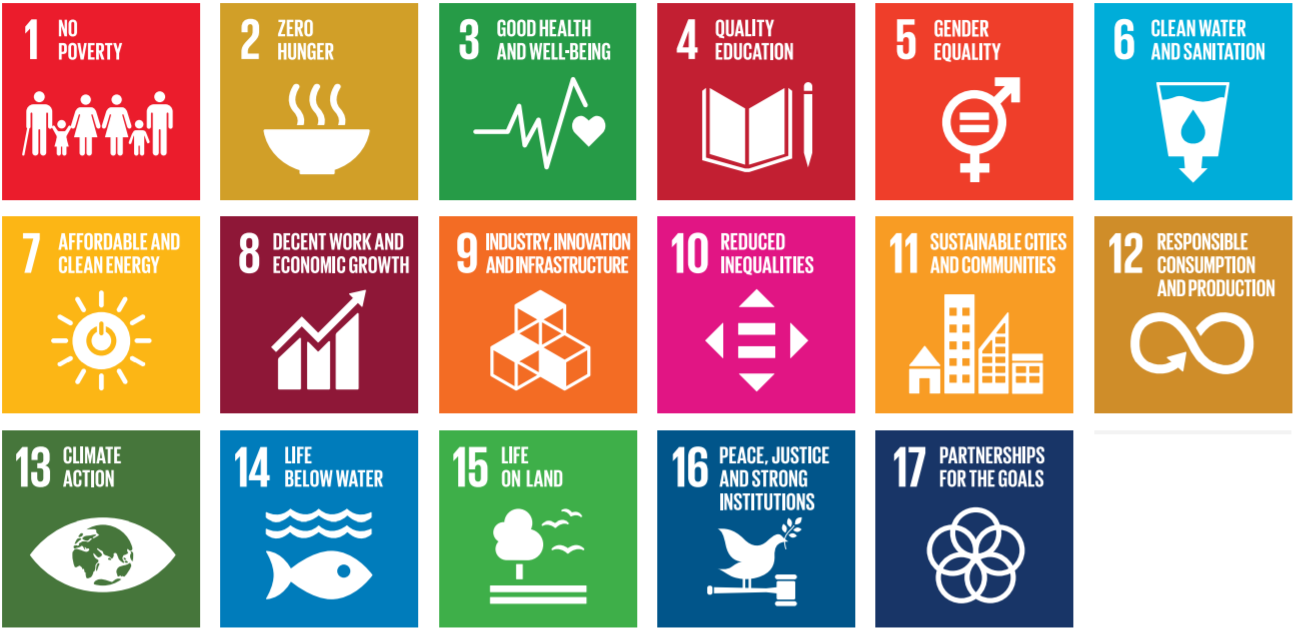
Some common critiques and limitations to this model:
- it is too high level and lacks of an action plan
- partecipation is voluntary, so it is unlikely to be achieved
- enviromental aspects are not represented enough
- goals are too numerous and difficult to translate in short-term business and action plans-
- currently (autumn 2025) the world is not on track to achieve the goals by 2030.
For a better deep-dive, below some additional resources:
- SDGs: What They Are & Why They're Important [VIDEO]
- How We Can Make the World a Better Place by 2030 | Michael Green | TED Talks [VIDEO]
- The global goals we've made progress on - and the ones we haven't | Michael Green [VIDEO]
Wedding Cake Model
Following the UN SDGs, this model focuses on the interconnetivity of the 17 goals rather than viewing them separately, providing a systemic and embedded view.
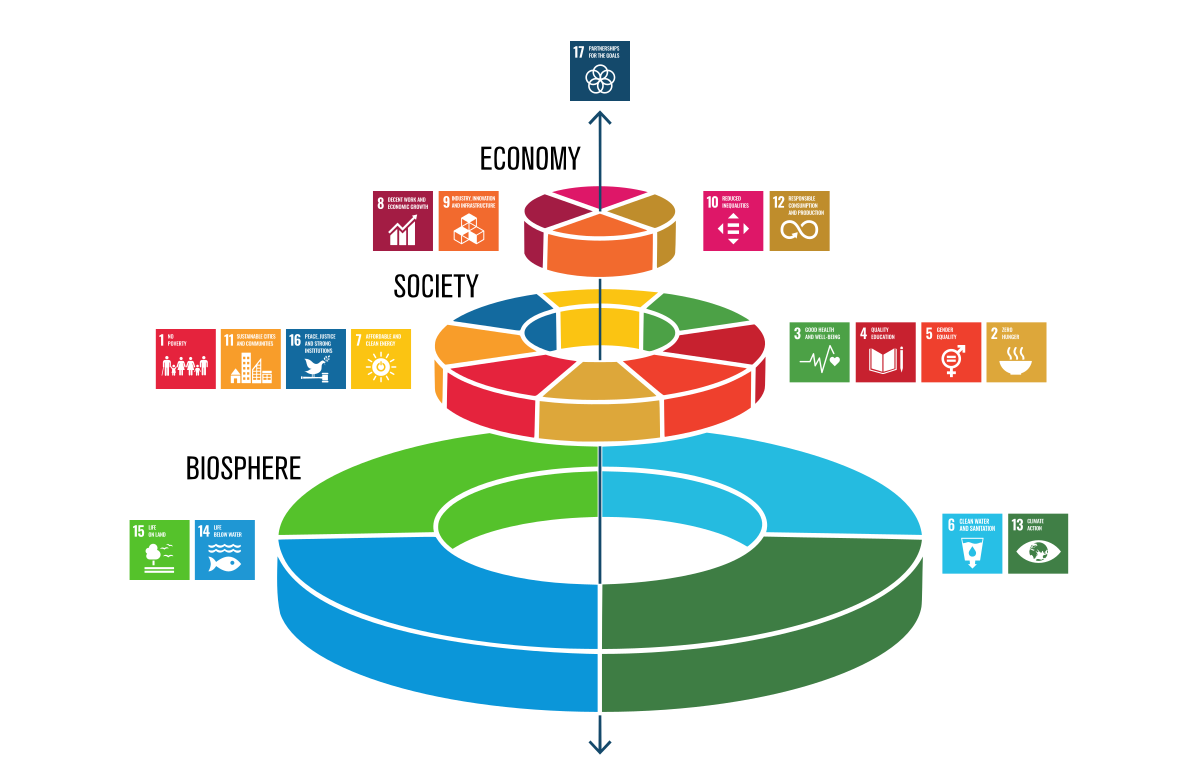
The core idea of this model is nesting:
- economy is built on society
- society is build on enviroment (the biosphere).
Therefore, if the biosphere collapses, everything build above will fail too.
More in detail, the model is built on three different layers:
- Biosphere: Includes SDGs 6 (Clean Water), 13 (Climate Action), 14 (Life Below Water), and 15 (Life on Land)
- Society: Includes SDGs 1–5, 7, 11, and 16 (Poverty, Education, Gender Equality, Peace)
- Economy: Includes SDGs 8, 9, 10, and 12 (Decent Work, Industry, Reduced Inequality)
Goal 17 (Partneships) acts as the foundamental link between layers.
More detailed resources can be found below:
- The SDGs Wedding Cake: A Visual Overview of the Global Goals [QUICK READ]
- Stockholm Resilience Center: The SDGs wedding cake
2. Regulatory framework and input on radical innovation
The most famous and used regulatory framework is the ESG Score (Enviromental, Social and Corporate Governance)
- ESG scores are calculated by aggregating quantitative data from each E-S-G pillar (higher is better)
- This method aggregates and weights separate information for each pillar, then aggregates them again in a single metric.
- ESG scores allow to measure a company's performance in a data driver and systematic way.
But...
- Ratings cannot always capture all the true sustainability effects and actions of a firm
- ESG data proviers are commercial for-profit companies, thus, they try to gain competitive advantages by differentiating their offering since there is not a single best solution for measuring ESG parameters.
ESG data providers often differentiate in:
- Scope (what they measure)
- Measurement (how they measure)
- Weighting of the indeces
- Data accuracy is often hard to achieve and judge.
- Sustainability assessments may depend on cultural and temporal backgrounds.
- Companies may focus too much on ESG scores rathen than the impact of their decisins.
The Materiality Matrix
This model allows to include different goals and stakeholder in a sustainability assessment, idenfitying also how to create shared value while adopting reporting standards.
Key phases to develop the matrix are:
- Idendify important sustainability issues of a firm following some standards (ex: ISO26000)
- Align the list with the corporate strategy
- Asses the relevance of sustainability issues for the company (x-axis) and the stakeholders (y-axis)
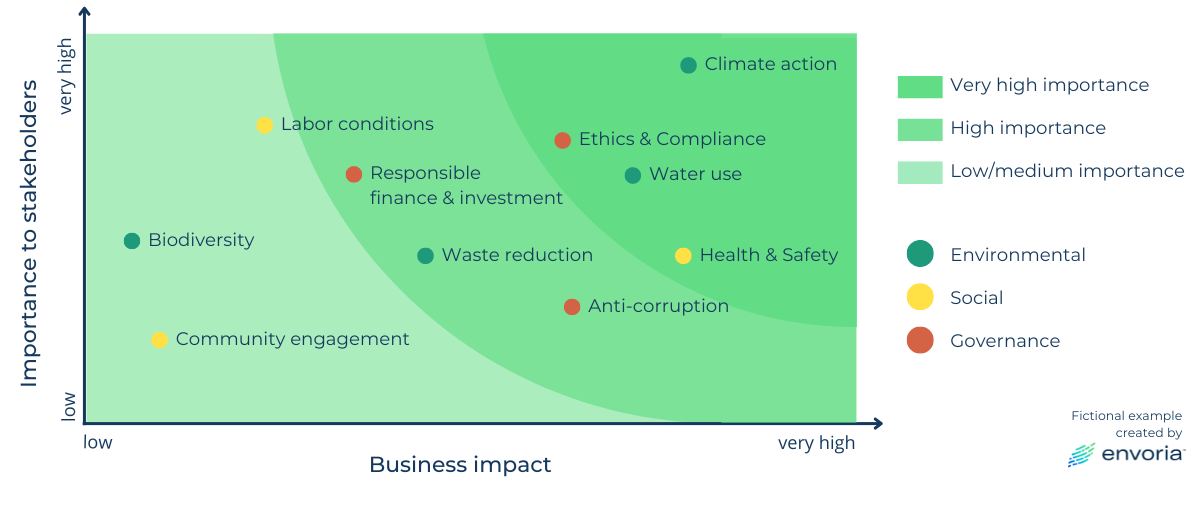
Based on the coordinates on the plot, each issue can be categorized as follows:
- Societal Issues: top-left (example: animal welfare for food companies)
- Potential Issues: botton-left (example: direct impact on biodiversity for a manufacturer)
- Corporate Issues: botton- right (employee development for all companies)
- Material Issues: top-right (CO2 emissions for a manufacturer)
The Material matrix may lead to different results for companies in the same industries: therefore being transparent with the development methodology is crucial.
Philantropy to Corporate Sustainability
Corporate Philantropy is defined as the voluntary contribution of money, time, service or goods to social charitable causes originated from public affairs.
- it does not influence corporate strategy or operations
Example: Google's Philantropy:
- Google donated $32M to organization that develop solutions for inclusion
- Google reacted to racial inequality in 2020 by increasing donations to NGO figthing against racism
- Google's employees are allowed and engouraged to donate time to social causes
Corporate Social Responsibility (CSR)
CSR is defined through the voluntary activities that go beyond legal requirements and contribute to societal goood. CSR is about the moral responsibility of managers towards the society and the enviroment.
Example: BMW's CSR :
- BMW conducted a campaign to teach children road safety rules and avoid fatalities.
Usually, the main difference between CSR and Philantropy is that the former (CSR) is expected by the society, the latter no.
Corporate Citizenship
Corporate citizenship is defined through the rights and duties of the firm in a community
- it is about the active participation of a firm in the society
- it is a set of civil, social and political rights and duties
- corporate citizenship considers the impacts of a firm's actions on all his stakeholders
Example: Ben & Jerry's
- to protect LGBT rights, the company embedded them in their core values, raising them awareness of the issue and signed official statement of support
Compared to Philantropy, these activities require more interaction and engagement with the society.
3. Three Phases of Corporate Sustainability
Phase- this phase describes companies that ignore or oppore sustainability
- companies reject their responsibilities and ignore their impact
- "business as usual", focus only on the financial metrics
- company in this phase destroy value
Examples:
- Volkswagen during the diesel scandal ignored the enviromental impact of their cars.
- Pacific Gas and Electric Company (PG&E) focused on financial returns while neglecting the maintenance of their aging power lines.
Phase
-
Compliace
- companies are proactively addressing sustainability issues
- they are following strategies to comply to regulations (increasing efficiency by reducing costs and sanctions)
-
Efficiency
- implementation of systems to monitor and document their actions
- they try to build a good image
- if a more advanced approach occurs: companies see enviromental management as an opportunity, in this case:
- significant cost reduction thanks to the reduction of inefficienties
- the monitor system is leveraged to improve the company overall
-
Strategic Proactivity
- sustainability is seen as a competitive advantage
Examples:
- IKEA has several risks and compliance offices and it's increasing the amount of recycled materials
- Apple in 2025 reported to use 100% recycled aluminum in MacBook, resulting in a more enviromental-friendly and stable supply chain.
- Delta Air Lies achieved a 1% reduction in fuel burned by optimizing their flight-paths and reducing airplane weights.
Phase
- the company is a sustaining corporation: it transforms economies and societies.
Example:
- Patagonia is considered the clothing brand leader in sustainability. Originally founded as a outdoor and climbing brand without harming the enviroment, now it follows an holistic perspective to business while promoting ecological and societal values.
One of the most famous Patagonia's intiative is the 1% for the Planet, through which this company with several other firms donate shares of their revenue to social and enviromental causes.
Even if this model can easily caterogize companies in three clusters, it still has some limitations:
- it represents phases as linear and sequential
- ignores that companies face multiple social and enviromental problems at the same time
- takes a unified approach: it doesn't take into considerations that companies have different goals and opportunities to become sustainable.
3. Industry perspective
Business EthicsBusiness ethics is about business activities and decisions that could be evaluated as morally right or wrong.
Business ethics starts when the law ends: the gray area where there is no legal consensus about right or wrong.
Note that ethical decisions may vary a lot due to diverse legal and cultura enviroments in different countries.
Steps in ethical decision making:
- Recognize a moral issue
- Make a moral judjment
- everyday common sense and ethical principles are the starting point
- Establish an intent and decide what to do
- the outcome may not match with the indended action
- Act according to those intentions
Stakeholders Management
A stakeholder is any group or individual who can affect or is affected by the achievement of the organization's objectives.
Stakehoulder theory suggests that firms should create value for all those stakeholders (and not for the shareholders).
Key steps for Stakeholders Management-
Idenfitying the stakeholders
- idenfity people or groups that are directly or indirectly dependend on the firm's activities, products, services or performance
- consider also to which stakeholders the firm has a responsitility
- asses what stakeholders require immediate attention when concerning economic, social and enviromental issues
- conclude what stakeholders can impact the firm's strategy
-
Mapping stakeholders
- categorize all the stakeholders (internal, external, primary, secondary) and visually organize a map.
-
Priotirizing stakeholder interest
- different approaches to prioritize stakeholder interes, the "collaboration-harm grid approach" by Savage is one.
The Collaboration-Harm Grid Approach
- 2 dimenions:
- the stakeholder's potential for threat to the company
- the stakeholder's potential to collaborate with the company
The assessment of each stakeholder is based on "yes/no" for each dimension, after which is possible to place stakeholders into four categories:
- Supportive stakeholders (no, yes)
- Marginal stakeholders (no, no)
- Non-supportive stakeholders (yes, no)
- Mixed blessing stakeholders (yes, yes)
- Engaging with stakeholders
After the evalutation, choose a strategy to implment to either:
- communicate (engage in a conversation and ask them issues they consider important and why)
- collaborate (develop joint activities and monitor the value created)
Shareholder vs Stakeholder Theory
| Shareholder Theory | Stakeholder Theory | |
|---|---|---|
| Developed by | Prof. Milton Friedman | Prof. Edward Freeman |
| Definition | A shareholder is a person that owns shares of the company and gets part of the profits. | A stakeholder is any group or individual who affects or is affected by the company. |
| Key Idea | The only responsibility of managers it to maximise profits and increase shareholder wealth. | The firm should create value for all the stakeholders. |
| Assumptions | Neoclassical economics (free market, existence of market prices, economic efficiency) | Stakeholders affect the firms in terms of reputation and profits. |
- in reality, no theory is right or wrong.
- Short-term perspective:
- focusing on shareholder-valuee can be a bad strategy
- it ends up destryoing value for everyone
-
Long-term perspective
- focusing on good stakeholder management is a good strategy to achieve long-term shareholder value
- in long term: shareholder and stakeholder value coincide
- if trade-offs are required, managers should maximise long-term shareholder value
Example: Salesforse and Stakeholder Capitalism
Salesforce's CEO Marc Benioff recently implemented the 1-1-1 Model (1% of product, 1% of equity and 1% of employee hours are donated to the comunity).
As 2024, Salesforce has donated over $700 million in grants and 8 million hours of volunteering.
4. Sustainability assessments & LCA
Life-cycle assessment (LCA) is a systematic method for analyzing enviromental impact of products, processes and services over their entire life cycle.
- it can be used by company to idenfity which actions have the biggest impact
- it quantifies the enviromental impacts along the value chain
- helps to set prioritize to reduce impacts
- it may support corporate decision making
- it can be applied to both single products or entire companies
Four Phases of LCA
-
Phase : Scope and goal assessment:
- what is the goal of LCA?
- who is the intended audience?
- what are the system boundaries?
In this phase, we also define the functional unit: the reference unit to which all inputs/outputs are referred (always quantitative and addittive).
- Phase : Inventory analysis
- compile all emissions and resource consumptions of the system relative to the chosen functional unit
- (database with standard datasets can be useful)
- Phase : Impact Assessment
- the large amount of information is aggregated to facilitate comparin
- group emissions and consumptions according to their effects on the enviroment
- the goal is to obtain 3-10 categories.
- Phase : Interpretation
- interpret results and draw conclusions.
While being a quantitative and almost bias-proof method, LCA has still some limitations:
- it requires large amount of data (transparency and peer-review are necessary)
- there's intrinsic data uncertainty and error
- LCA doesn't always provide clear reccomendation (but it always improves understanding of the processes)
- LCA doesn't cover risk and asymetries, it assumes average considerations
- indirect impacts are often neglected
- LCA mainly focuses on enviromental dimension of sustainability
5. Circular Economy
In a linear economy, resources are extracted, used and disposed of.
Economic growth is directly linked to the increased use of resources, inducing two problems:
- for extracting materials, energy is required.
- continuing this take-make-waste will cause to run out of non-renewable resources.
The Circular Economy concept was made prominent by Ellen MacArthur Foundation, which also published the Butterfly Diagram.
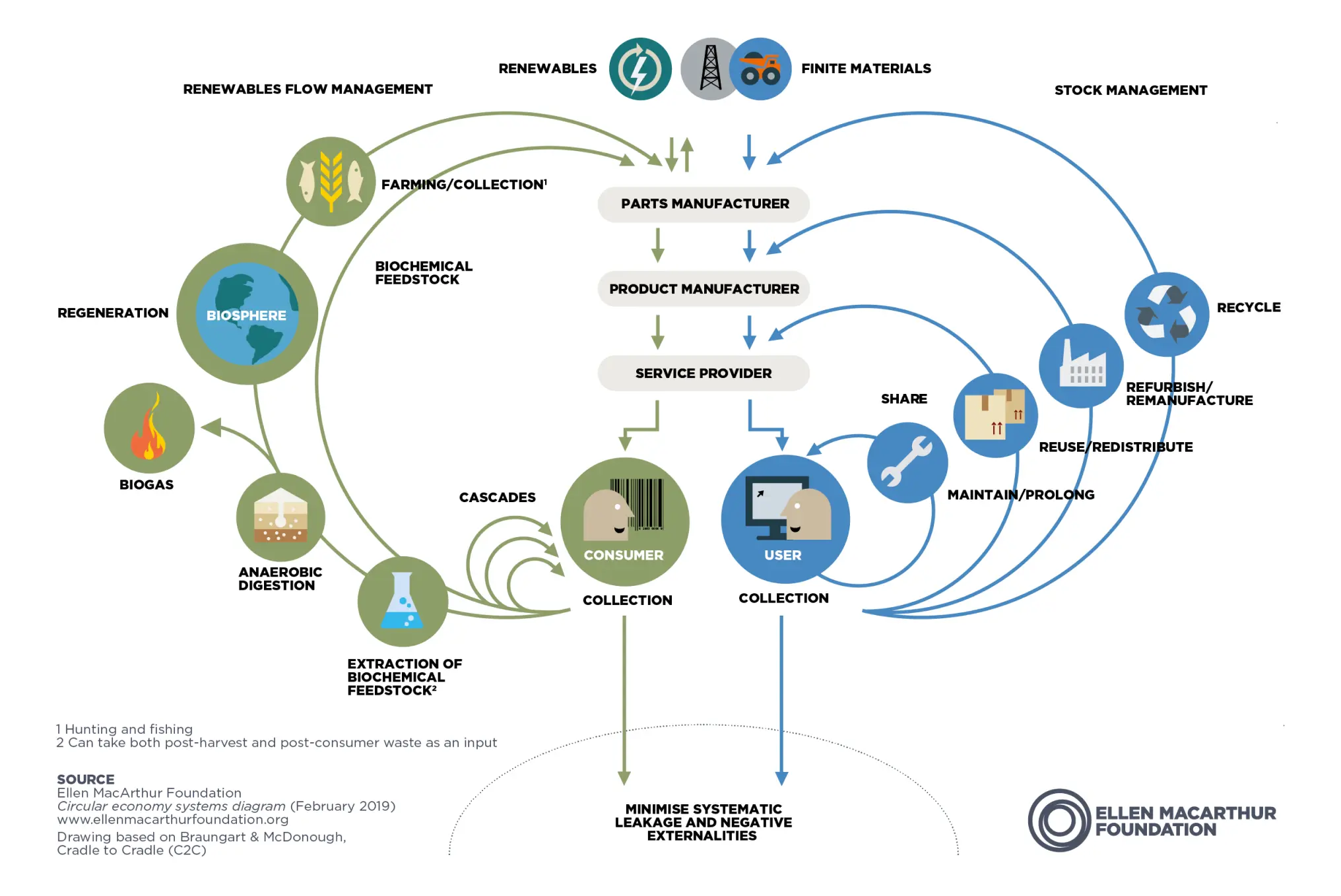
According to this concept, to reach a circular economy, not only products have to be redesigned, but also companies have to rethink their business model.
Unfortunately, a circular economy may not lead to a more sustainable company (not every circular product or service is sustainable).
6. Design for sustainability
The concept of "design for sustainability" refers to a system of connected services, products and companies that:
- must consider impact and effects on a wider system, not just the product
- take into account the management proceses, sustainability strategies, integrations and interests of all the stakeholders along the value chain.
Five Steps of Design for sustainability:
-
Impact assessment Assess the life cycle of the product with LCA, that helps to idenfity main impacts and resource consumptions by investigating various indicators. (social and economic indicators, not only the enviromental ones, should be included as well)
-
Idea generatoin and selection This steps helps defining improvement options targeting the most-impactful areas identified with the LCA analysis.
One various ideas are generated, prioritize them not only regarding their improvement potential, but also according to their feasibility and potential combinations between them.
- Concept development Note that some solutions may not be developed at the same time and some solutions might be infeasible for the company.
- Evalutation
- Implementation and follow-up
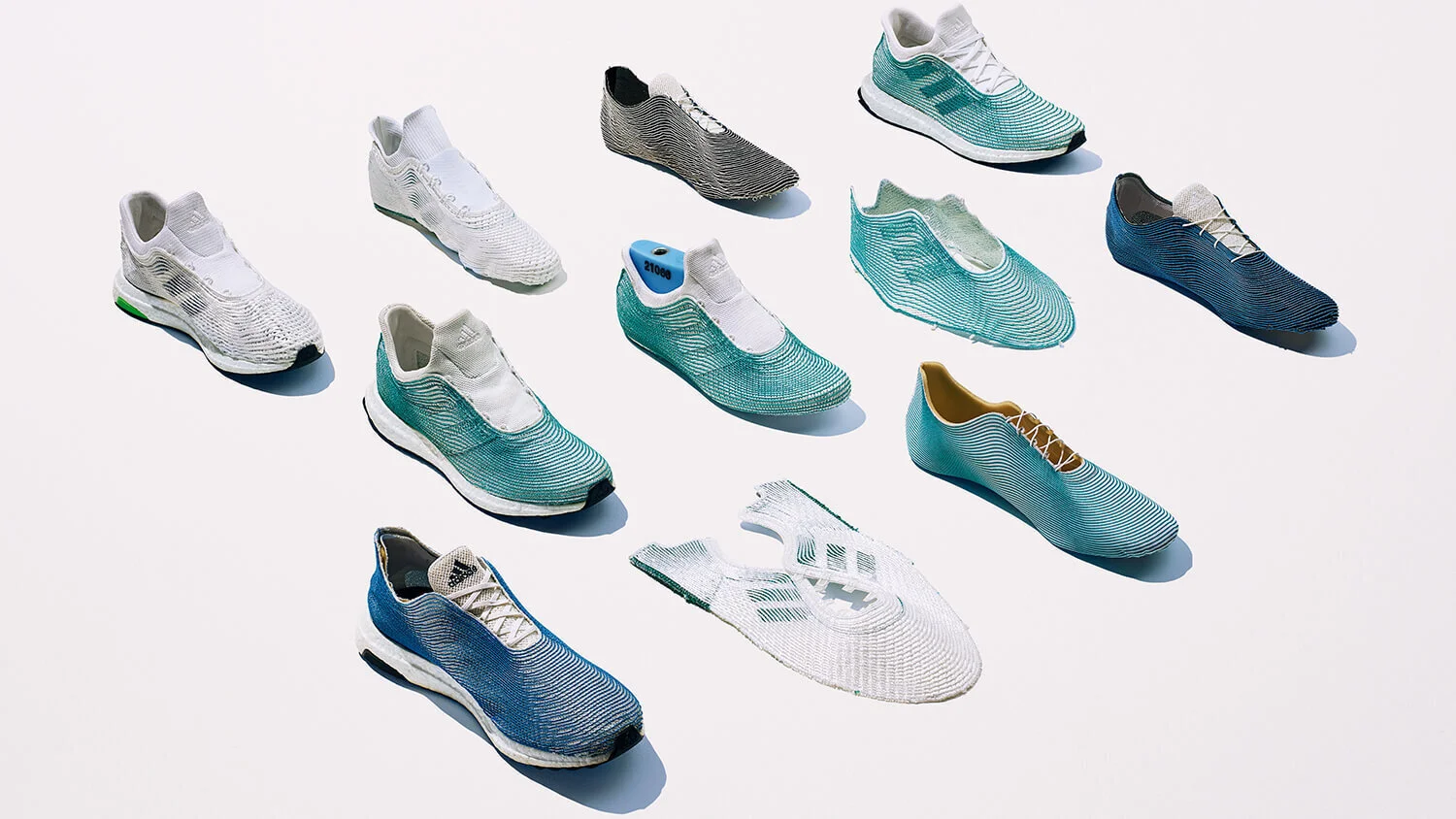
Example: Adidas x Parley for the Oceans
Adidas idenfitied that ocean plastic was a major enviromental problem, so they redesigned the ULTRABOOST shoe using Primebluoe, an high performance recycled material made in part with Parley Ocean Plastic.
This wasn't just a pilot prject, by 2021 Adidas was already producing 15-20 million pairs annually, proving that sustainable design can be scaled to mass-market.
More info can be found on Adidas official website.
7. Sustainable supply chain
A sustainable supply chain is the process of making purchase decisions that meet an organization's needs for goods and services in a way that benefits not only the organization but the society as a whole, while minimizing its impact on the enviroment.
To ensure that, cascading is often implemented.
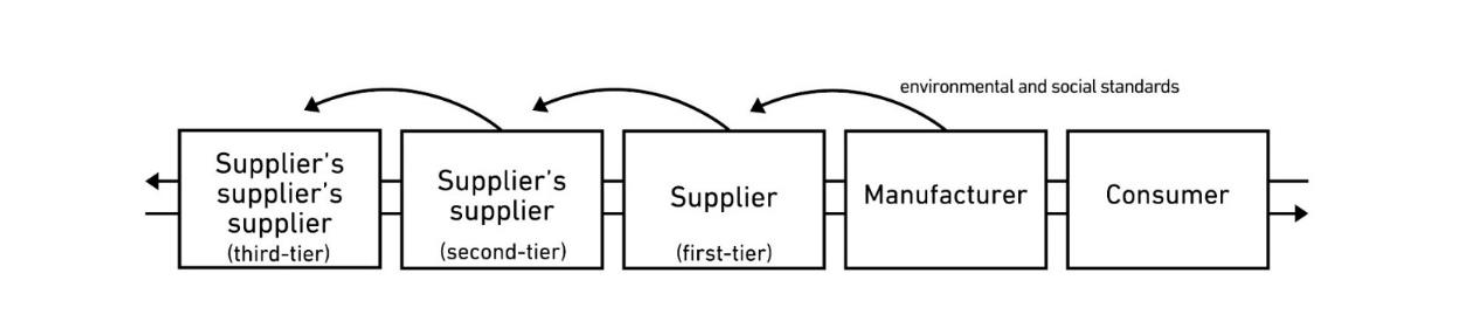
The core idea is that sustainability pracites cascade from one large buyer upstream through the supply chain.
- Unfortunately, cascading works only under specific condisions: when companies have a lot of power over its suppliers.
- In most cases, cascading fails for 4 primary reasons:
- Conventional purchasing practices: companies require unrealistic quantities for suppliers that are in urgency and do not have the time to invest in sustainable technologies.
- Limited resources and monitoring capacity: companies do not monitor their suppliers.
- Fragmentation of contractual relationship .
- Lack of awareness.
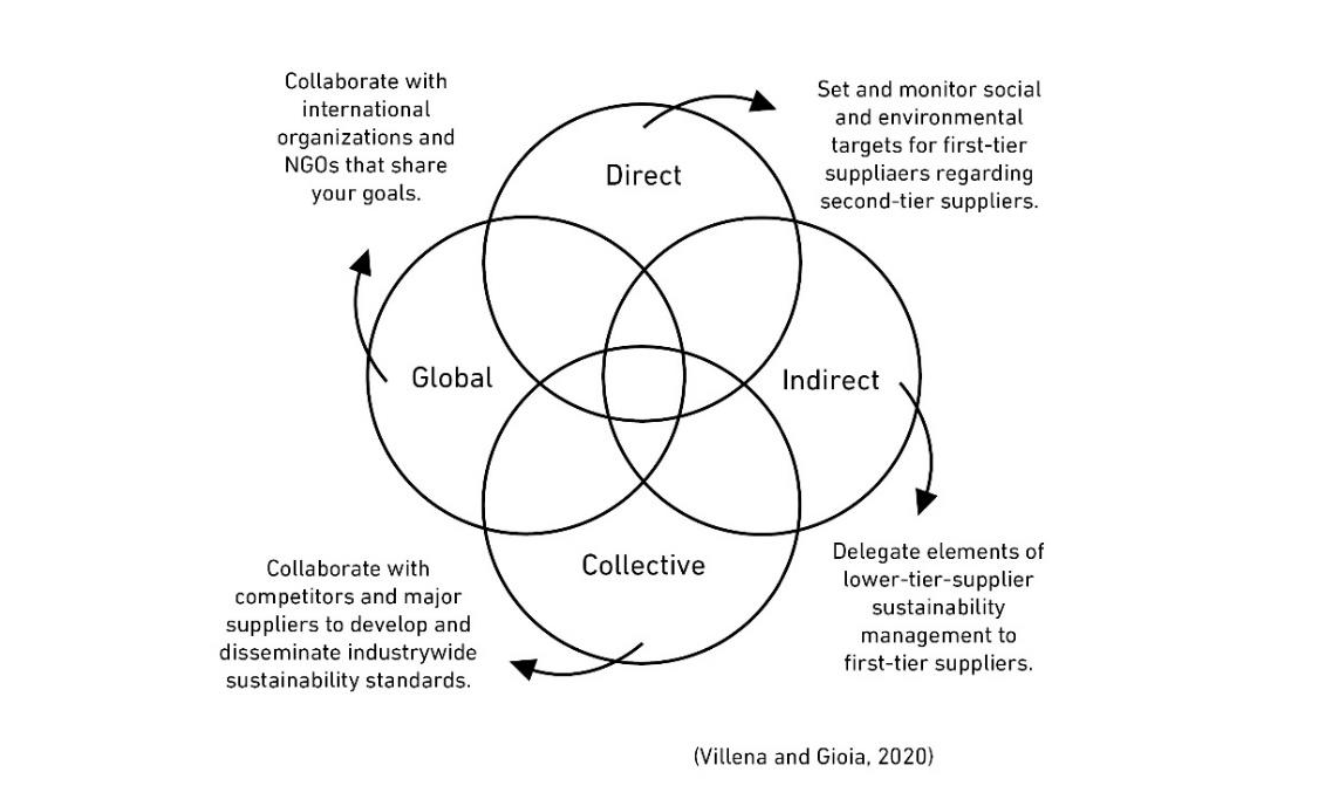
- Direct approach: target first-tier suppliers by evaluating performances on enviromental, labour, health and safety practices (work with first-tier suppliers according to this benchmark).
- Indirect approach: provide education to first-tier suppliers to improve practices with low-tier suppliers, ensure also that top-tier suppliers have resources and capabilities to monitor the downstream supply chain.
- Collective approach: collaborate across the industry to set a sustainable standard.
- Global approach: collaborate with international organizations (UN) to develop a global standard and set goals.
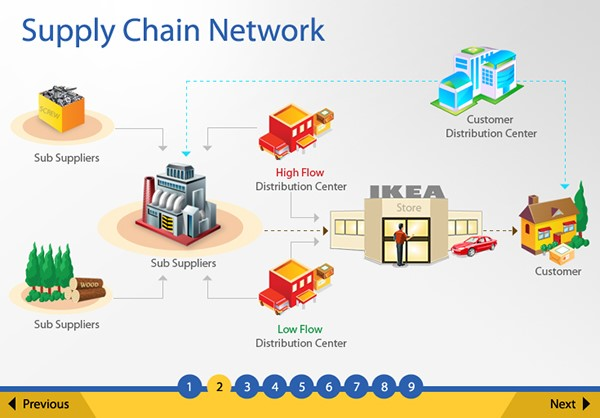
The IKEA and IWAY examle
IWAY stands for IKEA Way on Purchasing products, materials and Services code of conduct.
- IKEA indeed uses its immense market power to enforce sustainability standards.
- It doesn't just buy products, it mandates that the first-tier suppliers comply with enviromental and social standards.
IKEA uses both direct and indirect approaches:
- it performs thousands of audits annually
- it requires its direct suppliers to communicate and enforce similar standards to their sub-suppliers, reaching the low-tiers of the supply chain.
Also by doing that, IKEA reached 100% sustainability sourced cotton and nearly 99% FSC-certified wood by controlling the supply chain.
More info can be found on IKEA's website.
8. Sustainable business model
A traditional business model assesses, following the general motto of "doing well", the following questions/aspects:
- Value proposition: which problem is the company solving?
- Customer interface: what is the target market?
- Value chain: how are the products moving from suppliers to customers?
- Financial model: how does the company generate revenues?
This leads, potentially, to a very successful business model and a frequent replacement of the products, with the following impacts:
- excessive use of resources
- large energy footprint due to large scale manufacturing
- electronic waste
- poor working conditions
A sustainable business model aims insted to do good while still doing well, assessing the following aspects in a different way:
- Sustainable value proposition: how does the company also provide ecological and social value next to economic value?
- Stakeholder interface: take responsibility and motivate stakeholders to take responsibility.
- Circular value chain: establish a circular value chain involing suppliers and establishing a end-of-use cycle.
- Financial, natural and social model: complement the financial model by natural and social complements that reflect social and ecological costs.
9. Organizational change for sustainability
There are three critical moments for companies as they become more sustainable:
- Moving out of the first phase: companies stop ignoring or opposing sustainability issues and realize advantages of mitigating risk.
- Optimal leadership style: transactional leadership that uses self-interest as a motivation to highligh rewards and financial benefits of sustainability
- Navigating through the second phase: during this phase companies gain a lot from avoiding risks, saving costs and developing a competitive advantage through sustainability.
- Optimal leadership styles:
- distributed leadership: leaders share responsibilities across levels and people
- enabling leadership: leaders create structures that allow people to do more initiatives
Some examples of activities that work well to raise awareness and incentivize employees are:
- search for inefficienties in the company with a accurate monitoring system
- communicate progress that someone else in the company made on a sustainability projects
- celebrate, recognize adopters and organize awareness campaings
- organize innovations and idea generation contexts
- Transitioning into the third phase: in this phase, companies may eventually change positively society and economics towards sustainability
- Optimal leadership style: transormative leadership in which leaders inspire others to go beyond their interest.
Two key features of this phase: - companies focus on what happens outside the company, not inside
- companies fell broadly responsible for society and enviroment
Examples of actions during this phase:
- include more and more stakeholders
- explore how limited resouces are used in the entire value chain (example: rare materials or fossi fuels)
- invest in R&D for more sustainable technologies
- parter with competitors to tackle sustainability issues
To use recourses effectively, companies usually consider the following factors to make decisions:
- Timing by evaluating in which phase is the company (example: including in the board a Chief Sustainability Officer may be too early for a company still in the first phase)
- Urgency by recognizing the opportunities and paying attention to external events.
- External events might create a sense of urgency in the company, making easier to promote a new concept/sustainability approach.
- Target receptiveness by considering the receptiveness of the target and meeting people (inside and outside the company) motivations.
- First-person position by considering each person's position in the company and considering that different people have different roles (with different incentives and goals) during the sustainability transition.
10. Tension in sustainability decisions
Tensions may occur between different dimesions of sustainability (economic, social, enviromental aspects) and are intrinsic in every sustainability challenge or change. Next to these aspects, tension may also arise between time (how to use the resources at different time frames) and space (local impact vs global impact).
Win-win perspective: it suggests that financial profitability can be aligned with social and enviromental aspects of sustainability.
In this case, sustainability changes and decisions will be implemented only if they are financially beneficial.
Trade-off perspective: it suggests an exhange of one benefit for another that is sees as most desiderable: companies should change between competing demands and prioritize one sustainability aspect (after a extensive analysis of the impacts of the alternatives).
Paradoxical perspective: it does not force a choice, just pushes the firm to innovate, by reconciliating sustainability aspects over time.
By mantaining tensions, manager can indeed learn the complexity behind competing demands and how to work through the tensions, bringing additional value (innovation, creativity, employees commitment) to the firm.
Example: Starbucks & the Cup DilemmaStarbucks faced a tension between the customer convenience (economic and disposable cups) and the waste redcution (enviromental rigid cups).
Instead of just picking one and accepting a trade-off, Starbucks innovated through the tension (paradoxical approach) by experimenting with a the "borrow a cup" program and "circular cup" iniatives (making new cups from the old ones).
They accepted the tension of being a fast coffee provider while still solving a slow waste problem, leading also to the creation of NextGen Consortium (cofounded with McDonald's, a collective approach from previous chapter).
More info about the NextGet Consortium and the companies involved here. Starbucks' Borrow A Cup Program .

11. Positive contributions
Unlike traditional sustainability approach that focuses on "doing harm" or "being neutral", the Reed's regeneration framework considers each company as a living entity that should improve and evolve in its enviroment (the society). The model classifies a company based on:
- complexity, integrity and integratoin in the society
- energy used and required to pursue his goals and sustainability processes.
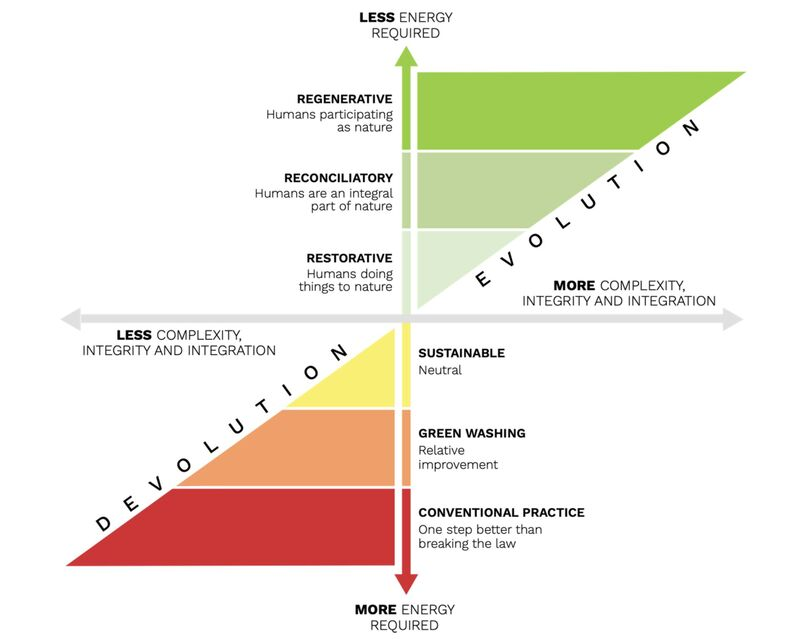
Therefore, the framework helps to visualize a full categorization of approaches and behaviors based on these factors.
Left side:
- the company only consumes resources without trying to be ecologically-friendly (degenerative approach)
- the company would like to reduce his footprin and to reduce the amount of damage due to extensive use of resources
.
Middle:
- sustainability, a company does not do anything either bad or good to the natural enviroment and the society
.
Right side:
- the company focuses on restoring nature in a healty state (restorative approach)
- the company designes processes to evolve and co-work with nature for the long-term life of the ecosystem (regenerative approach).
Note that, as it can be easily understood, the framework focuses only on enviromental issues, not yet to social ones.
12. Technological learning & Innovation Policy
There are several reasons why policies for sustainability may be implemented by decisions and rule-makers:
- Correction of market failures: markets are not always efficient from an enviromental point of view (prices do not always reflect negative externalities).
A tale of two market failures: Technology and environmental policy [PAPER] - Shaping the innovation in the desider direction: the innovation process is non-linear, consisting instead of several feedbacks loops and re-trial, to mitigate that, three approaches are possible:
- Technology Push Policy (increase supply of technologies by incentivizing R&D, often with investments or subsidies).
- Demand-Pull Policy (stimulate demand or alter market conditions, often with technology standards or subsidies to customers).
Cost-efficient demand-pull policies for multi-purpose technologies [PAPER] - Systemic interface improvements (improvements of the envire innovation and communicanion mechanism).
Some additional key facts:
- effectiveness of policy can be highly dependent on technology characteristics.
- policy can result in premature lock-in effects (example: demand-pull policies have pushed only one type of solar energy)
- polocy can have unintended effects
- policy can create strong international spillovers (conseguences).
Common learning mechanisms in the industry:
- learning-by-doing (production process)
- learning-by-searching (R&D)
- learning-by-using (customer feedback)
- learning-by-interacting (network integration)
- up/downsizing or redesigning (changes in technology size/design)
- economies of scale
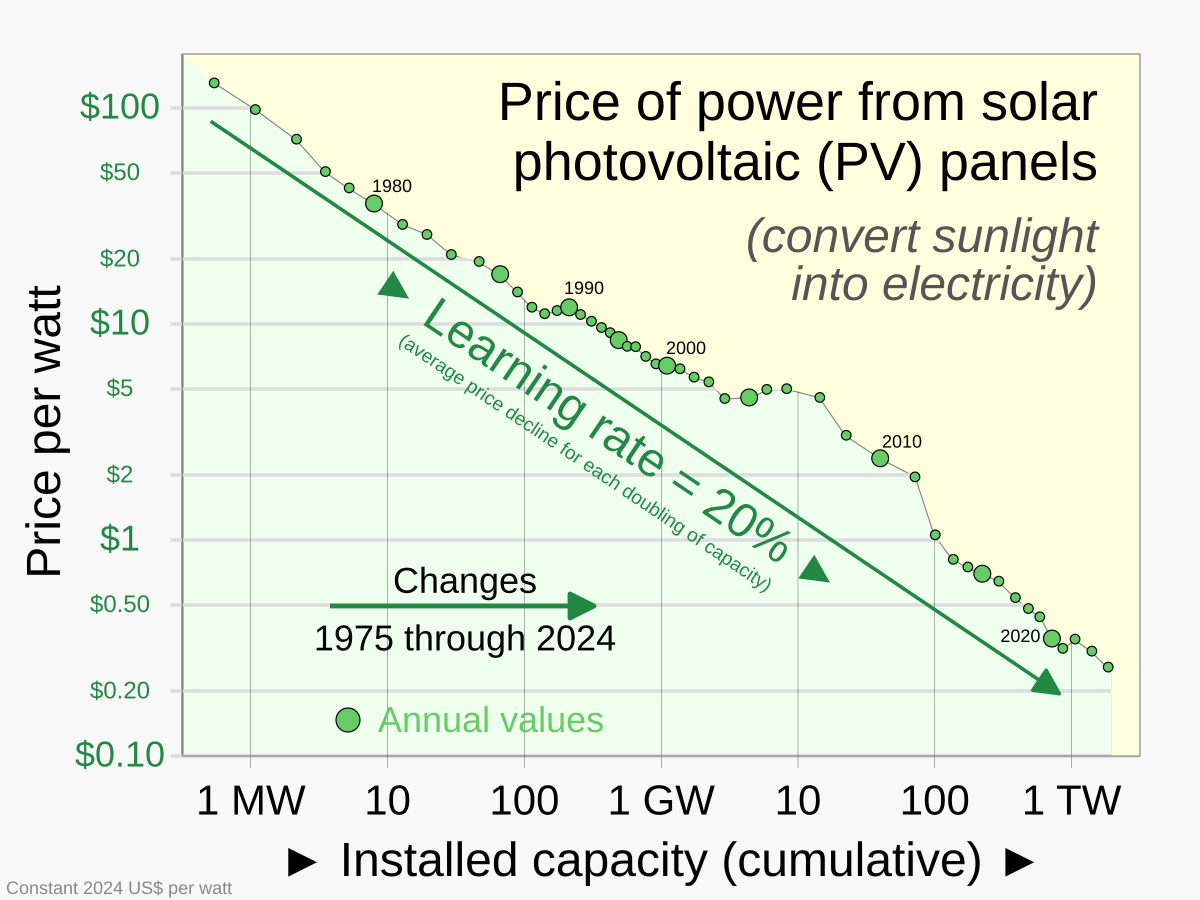
The experience curve shows the relation between total technology cost and cumulative output (linear on a log-scale)
- cost reduction declines at a costante rate with every doubling of the cumulative ouput (learning rate)
Appendix
All the links mentioned in the article are listed below
- Back in 2008, the Danish firm (known as DONG energy) was one the most coal-intensive energy company in Europe.
- John Elkington
- John Rockstrom
- Breaking Boundaries
- Kate Raworth
- More info can be found here [Arch Daily Article]
- UN website
- SDGs: What They Are & Why They're Important [VIDEO]
- How We Can Make the World a Better Place by 2030 | Michael Green | TED Talks [VIDEO]
- The global goals we've made progress on - and the ones we haven't | Michael Green [VIDEO]
- The SDGs Wedding Cake: A Visual Overview of the Global Goals [QUICK READ]
- Stockholm Resilience Center: The SDGs wedding cake
- 1% for the Planet
- More info can be found on Salesforce Website
- Ellen MacArthur Foundation
- More info can be found on Adidas official website
- More info can be found on IKEA's website
- More info about the NextGet Consortium and the companies involved here
- Starbucks' Borrow A Cup Program
- A tale of two market failures: Technology and environmental policy [PAPER]
- Cost-efficient demand-pull policies for multi-purpose technologies [PAPER]