Attento al tram!
Ricordo benissimo la mia prima settimana a Zurigo. A cena da un amico, anche lui studente trasferito da più di un anno nella mia stessa città, gli confessai entusiasta: "Sono ancora nella fase in cui tutto mi sembra fantastico".
Lui, in maniera del tutto spontanea, mi rispose con ironia: "Tranquillo, per me questa fase dura da un anno e non accenna a finire".
A distanza di quasi sei mesi, nonostante conosca meglio la Svizzera e mi sia quasi abituato a una vita nuova, non posso fare altro che dargli ragione.
Scherzosamente, ripeto spesso di voler morire a Zurigo (preferibilmente non investito da un tram nel giro di pochi mesi) ma, pur mantenendomi aperte numerose alternative, ammetto che, in questo periodo, Zurigo rappresenta una dimensione ideale.
Ero (e rimango) infatti convinto che vivere e lavorare in Svizzera rappresenti un vero e proprio arbitraggio rispetto al resto dell’Europa, non capacitandomi del perchè questa “disparità” (o inefficienza di mercato) non venga sfruttata (e di conseguenza rimossa/hedgata) dal resto del continente.
La realtà è che (fortunatamente) la maggior parte della popolazione non la pensa come me: per molti la Svizzera non è un modello da imitare o una meta a cui ambire; bensì un paese troppo difficile, lontano dagli ideali europei e portato avanti da una società molto diversa da quella Italiana.
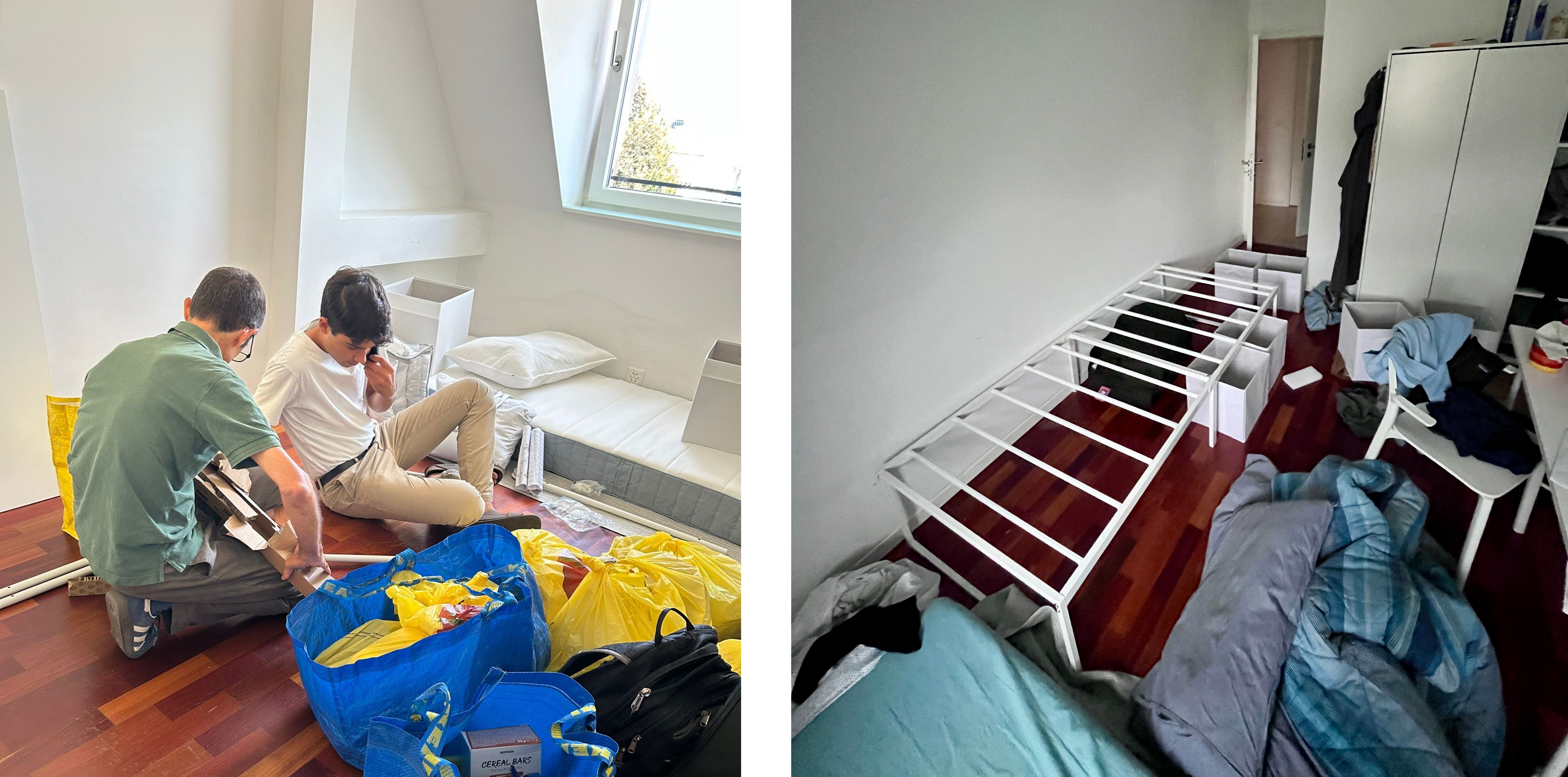
Che cosa si prova a essere milionari in Svizzera? Niente, non c'è nessuna vergogna a essere poveri
Quando ero piccolo, lo stereotipo dello svizzero medio era quello di una persona di mezza età, poco incline alla società, piuttosto brusca nel modo di comunicare, rigida sugli orari del silenzio e verosimilmente titolare di un conto in banca ad (almeno) 7 cifre.
La verità è che, nonostante queste persone esistano davvero, Zurigo, soprattutto tra le generazioni più giovani, è fortunatamente una città molto più eterogenea e multiculturale di quanto mi aspettasi.
Dietro la caricatura appena citata, tuttavia, si nasconde ciò che, almeno per la mia esperienza, rappresenta il valore fondante di questo paese: il rispetto.
La vera ricchezza del Paese
Per quanto possa sembrare generico, il rispetto di cui parlo è tangibile: lo si percepisce nella quotidianeità tanto che, anche involontariamente, ce ne si abitua molto in fretta.
Il rispetto verso regole è evidente a ogni “granularità”: non passare con il rosso anche se non c’è una macchina nel giro di centinaia di metri, non copiare in università o, per quanto sia ironico, non ledere la proprietà privata altrui.
Paradossalmente, ho spesso pensato quanto rubare in Svizzera sia molto più facile rispetto ad altrove in Europa; vista l’enorme fiducia reciproca che la popolazione manifesta, tanto da lasciare la merce incustodita, le porte aperte o le bici slegate. Quando la fiducia è così diffusa, e contestualmente quando viene considerata una condizione necessaria per vivere in comunità, diventa un vero e proprio asset produttivo del Paese, capace di sostenere un equilibrio sociale stabile e di migliorare la qualità della convivenza.
"(Curiosamente, la Svizzera è anche uno dei paesi con una fiducia verso le instituzioni più alte del mondo: il 62% degli svizzeri riporta “high trust” nei confronti del governo, contro il 39% media ocde e il 36% italiano).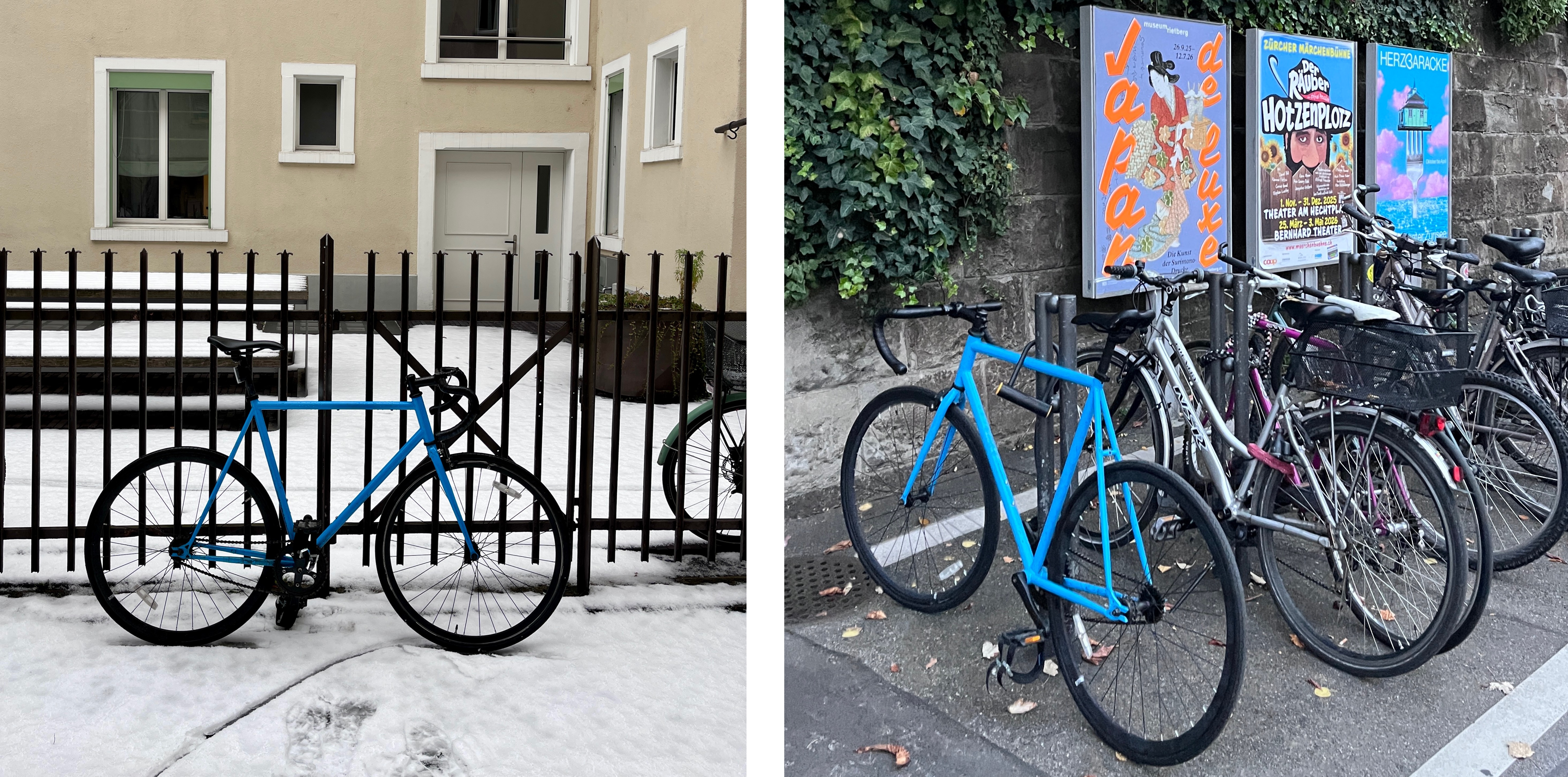
Orologi svizzeri
Il rispetto del tempo si articola invece su due livelli: il primo, più evidente e concreto, è la puntualità. Il secondo, più sottile e subordinato al primo, riguarda il rispetto verso il tempo altrui, inteso come unarisorsa che la persona sta offrendo.
Ho avuto infatti l’impressione che ogni scambio tra due o più persone venga trattato come un bene scarso da proteggere: da un lato si cerca di valorizzare al massimo l’incontro, dedicandosi con massima concentrazione e dedizione; dall’altro non si esita a concluderlo quando ogni secondo aggiuntivo ha utilità marginale decrescente, anche a discapito del "piacere" e della socialità.
Quest’ultima concezione del tempo si traduce, quasi direttamente, in un forte rispetto del lavoro altrui. Durante le mie (ancora brevi) esperienze universitarie e lavorative a Zurigo, ho avuto la costante impressione che il mio lavoro venisse valorizzato.
Non esiste lavorare gratis, in condizioni di disagio o in nero: ogni attività viene retribuita o valorizzata dal punto di vista accademico. Di conseguenza però, ogni comportamento e ogni output vengono valutati con rigore e i feedback sono spesso diretti, essenziali e tempestivi.
In università, questo si traduce in professori mediamente molto precisi, puntuali ma anche molto esigenti, in grado di fornire gli strumenti adeguati per uno studio autonomo ma pronti a settare chiare aspettative e pretendere un output di qualità.
In contesti di lavoro, sia nel mondo della ricerca accademica che in quello corporate, ho invece notato un contrasto curioso: da un lato vige spesso un clima di informalità e apparente assenza di gerarchie (facilitato spesso dall’inglese, privo di forme di cortesia). Dall’altro, però, si è estremamente esigenti sulla qualità del lavoro e si presuppone, anche nei confronti di posizioni junior o, come nel mio caso, da studenti; una discreta autonomia e intraprendenza.
La conseguenza di tutto ciò è che, fin da quando si studia, avere un lavoro part time, che vada oltre le prestazioni occasionali in nero, è abbastanza comune e, in generale, essere ricompensati (anche e soprattutto economicamente) in maniera equa non è un’eccezione.
Nonostante infatti mi stupisca ancora di come una pizza possa costare 25 franchi e consapevole Zurigo sia ogni anno tra le città più costose del mondo, il potere d’acquisto locale risulta tra i più alti al mondo.
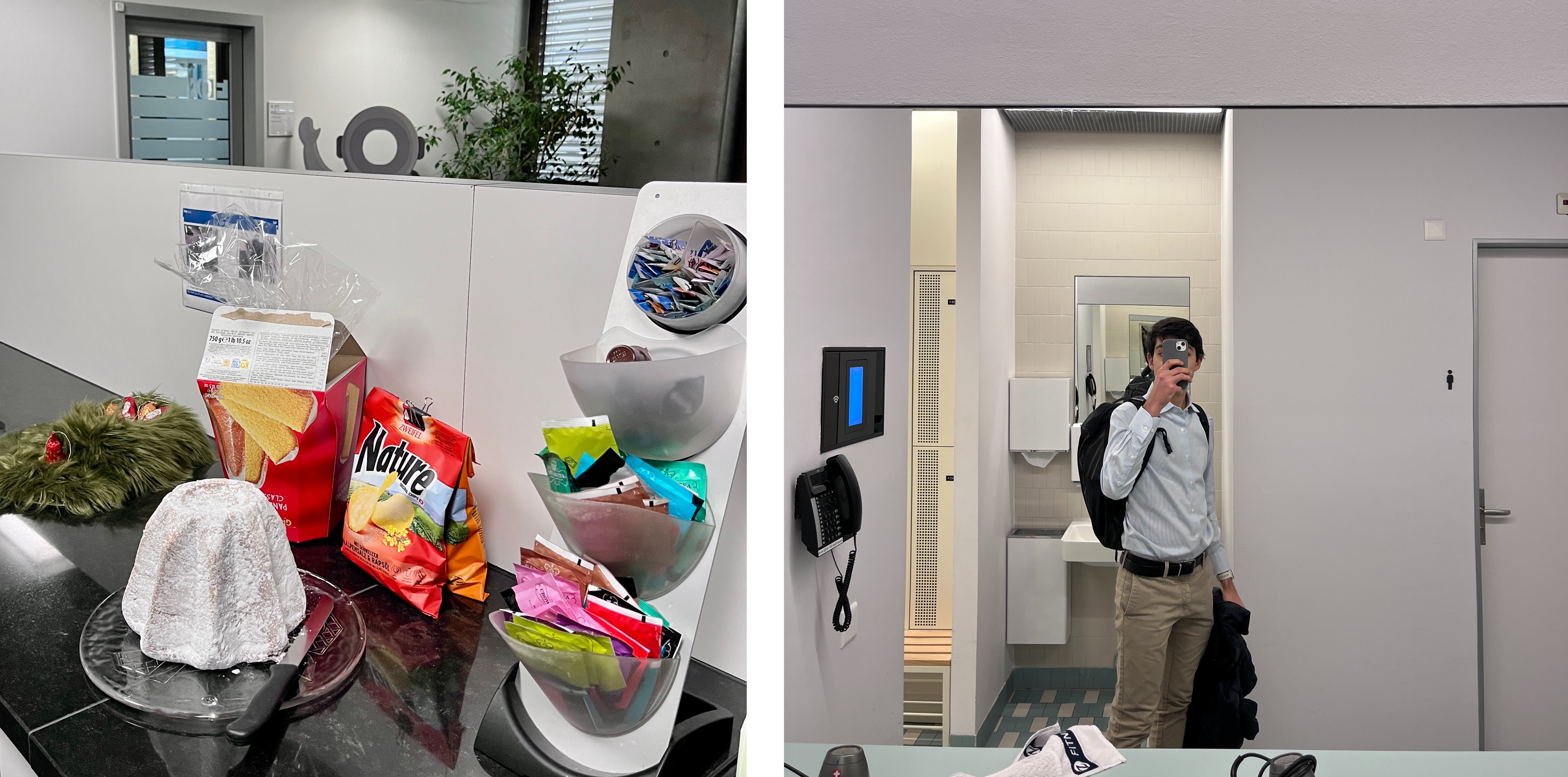
Si, ma a che prezzo?
Nonostante dalla mia caratterizzazione possa sembrare un paese cinico e noioso, penso sia più corretto definirlo selettivo: funziona benissimo, ma solo se si condividono i presupposti culturali secondo cui è stato progettato. Ironicamente infatti, penso che la Svizzera abbia “ingegnerizzato” il modo di vivere , organizzando istituzioni, spazi e relazioni sociali per ridurre al minimo gli attriti e le ambiguità in favore della massima efficienza.
Questa ottimizzazione, tuttavia, implica un trade-off: i cittadini sostengono un costo sociale che si manifesta nel rigore e il rispetto sopra citato, lasciando spesso poco spazio all’interpretazione e all’improvvisazione. Proprio per questo motivo, affermo che il paese è selettivo: è una dimensione ottimale per chi si allinea a questi valori e accetta di pagare questa “tassa” non-monetaria, necessaria però per godere dei benefici (anche monetari) e sentirsi a proprio agio.
Il paragone con l’Italia, avendo avuto la fortuna di confrontarmi con amici, non solo italiani, sorge di conseguenza spontaneo.
Personalmente (e in questo periodo della mia vita), valuto la qualità della vita in base ad alcuni fattori chiave:
- Opportunità: la densità di stimoli intellettuali e persone interessanti, un mercato del lavoro dinamico e meritocratico.
- Vivibilità: la qualità strutturale dell’ambiente urbano, misurata dalla presenza di spazi pubblici, dall’accessibilità del verde e da un’estetica piacevole.
- Mobilità e sicurezza: la possibilità di muoversi facilmente senza automobile, preferibilmente camminando e pedalando, in un ambiente sicuro per qualsiasi età, sesso e orario.
- Internazionalità: il grado di integrazione nel contesto globale, sia in termini di apertura e composizione culturale, sia di connessioni rapide verso il resto del mondo.
- Servizi: l’affidabilità e la qualità dei servizi essenziali, a livello municipale e nazionale, dalla sanità alla burocrazia.
- Vicinanza all’Italia: la distanza effettiva, in termini di tempo e attriti logistici, da Milano e l’Italia in generale.
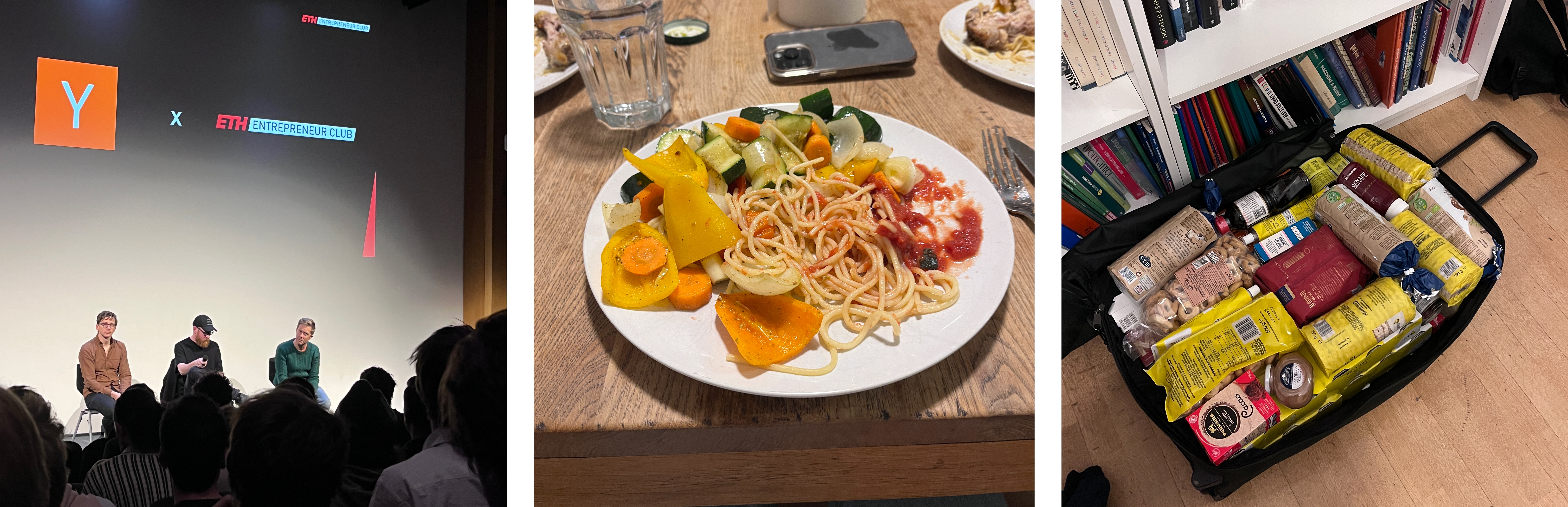
Tutto sommato siamo più simpatici!
Sulla base di questi criteri, Zurigo si classifica molto bene, tanto da reputarla, almeno per il momento, Pareto-superior rispetto alla maggior parte delle alternative, in Italia e nel mondo. Riconosco però che questo framework, pur costruito su parametri osservabili e misurabili, trascura due fattori fondamentali potenzialmente in grado di influenzare la mia scelta.
In primis, non nego che, nonostante istintivamente non ci pensi, la qualità delle relazioni resta una variabile fondamentale nell’equazione della qualità della vita. Per quanto la Svizzera sia “ottimale” sotto molti punti di vista, riconosco che l’Italia (e in generale molti altri paesi Europei) sia un ambiente in cui sviluppare e mantenere un capitale sociale di qualità sia più facile.
La convivialità diffusa, la cultura attorno al cibo, il senso della “bella vita” e l’enorme patrimonio storico, artistico e sociale italiano contribuiscono, anche indirettamente, a creare un ambiente socialmente fertile, in cui simpatia, disponibilità e voglia di stare assieme sono alla base di tutto.
Inoltre, vivere vicino alle proprie radici, alla propria famiglia e ai propri cari (assumendo che questo contesto porti valore e piacere) incide significativamente sul benessere di una persona; motivo per cui, seppur trasferirsi possa essere la scelta più razionale e conveniente, spesso non coincide con quell più ragionevole in senso lato.
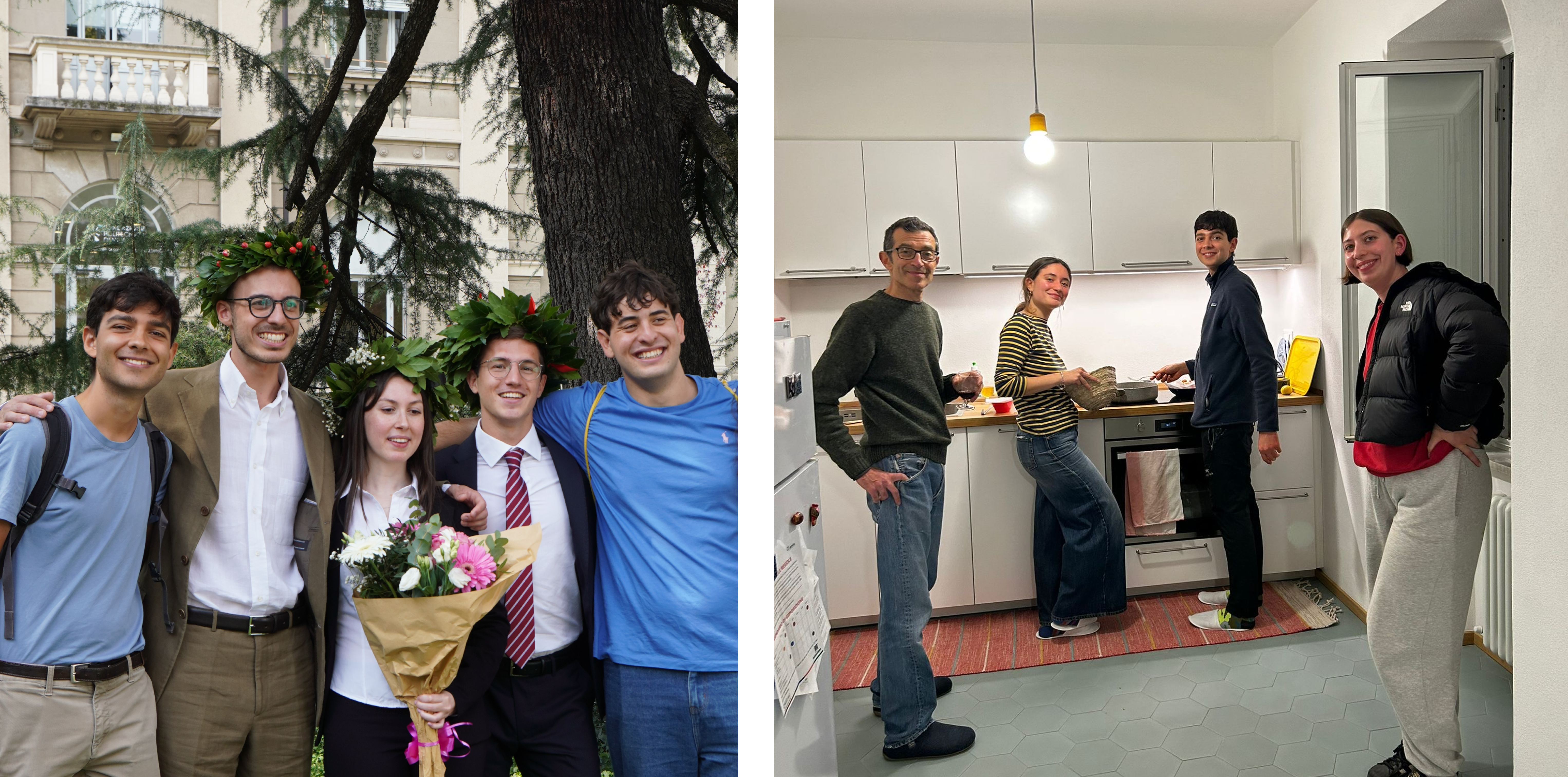
Hai mai visto uno Svizzero manifestare?
Il secondo aspetto che sento essere carente in Svizzera è la consapevolezza politica e sociale. Dalla mia esperienza, ancora limitata nel testo e circoscritta ad un ambiente principalmente universitario e professionale, ho sempre percepito scarso interesse verso le questioni politiche e sociali, soprattutto verso quelle fuori dai confini della Confederazione; come se il paese, anche per motivi storici; fosse poco permeabile rispetto a tutto ciò che non ha conseguenze concrete ed economica nella vita quotidianaa.
Nel Bel Paese al contrario, spesso in maniera esageratamente simbolica e poco orientata a cambiare lo status quo; si percepisce una forte sensibilità e reattività nei confronti della politica, sia interna che estera, e i diritti sociali.
In Svizzera, paradossalmente, succede il contrario: vi è meno esposizione e mobilitazione pubblica, ma una maggiore propensione verso soluzioni più pragmatiche, spesso attraverso strumenti economici e iniziative di beneficienza; risultando in un intervento meno ideologico e più operativo.
Pur considerandomi una persona molto pragmatica, ritengo che questo approccio non sia sempre sufficiente. Riconosco infatti un valore intrinseco nell’attivismo politico e nelle mobilitazioni collettive che rendono un tema parte del discorso pubblico, valore che, almeno secondo la mia prospettiva, risulta ancora carente Svizzera.
Il mondo è bello perchè è vario
In sintesi, non è certo mia intenzione stilare una classifica tra paesi europei nè dimostrare la superiorità della Svizzera; bensì raccontare come persone con priorità diverse cercano contesti diversi, formando società diverse che attirano personalità affini e alimentano un feedback loop capace di rafforzare l’identità culturale di ogni paese.
Per concludere, perdete un po’ di tempo a giocare con il Better Life Index [OECD], intuitivo tool online che permette di ponderare agli aspetti della vita che più ritenete importanti e individuare i paesi meglio allineati con le vostre preferenze!
Cheers!